



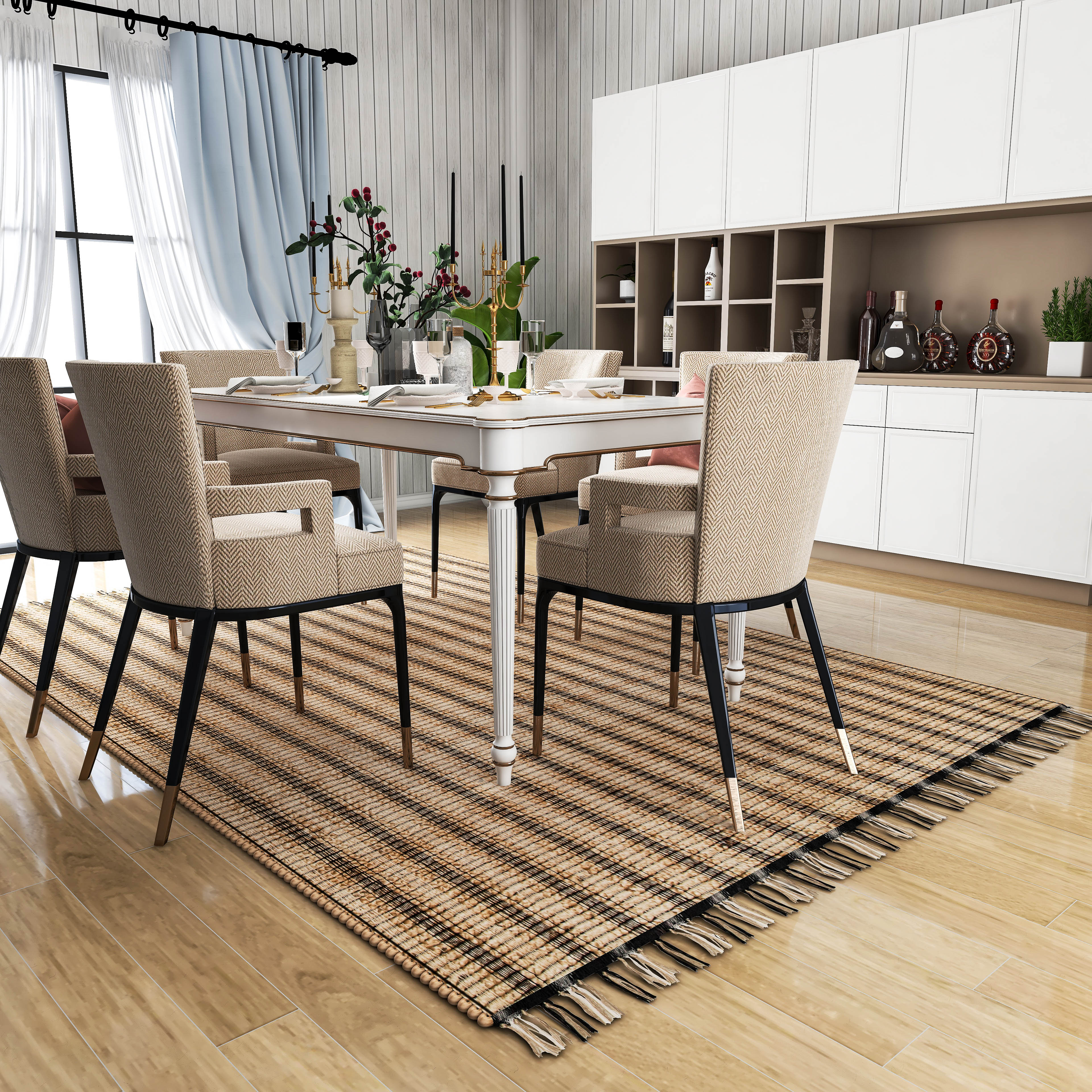
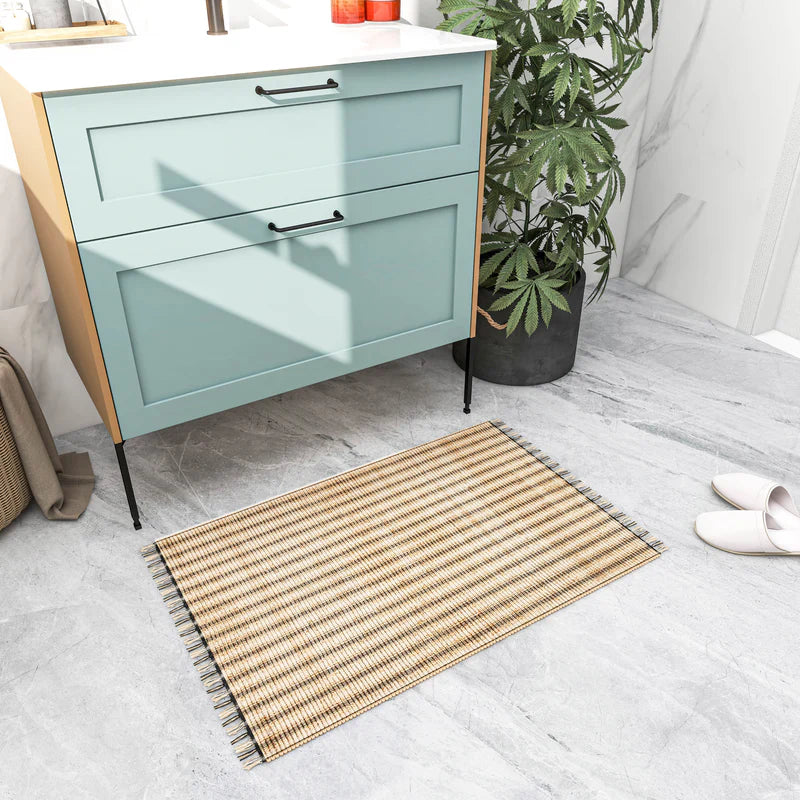
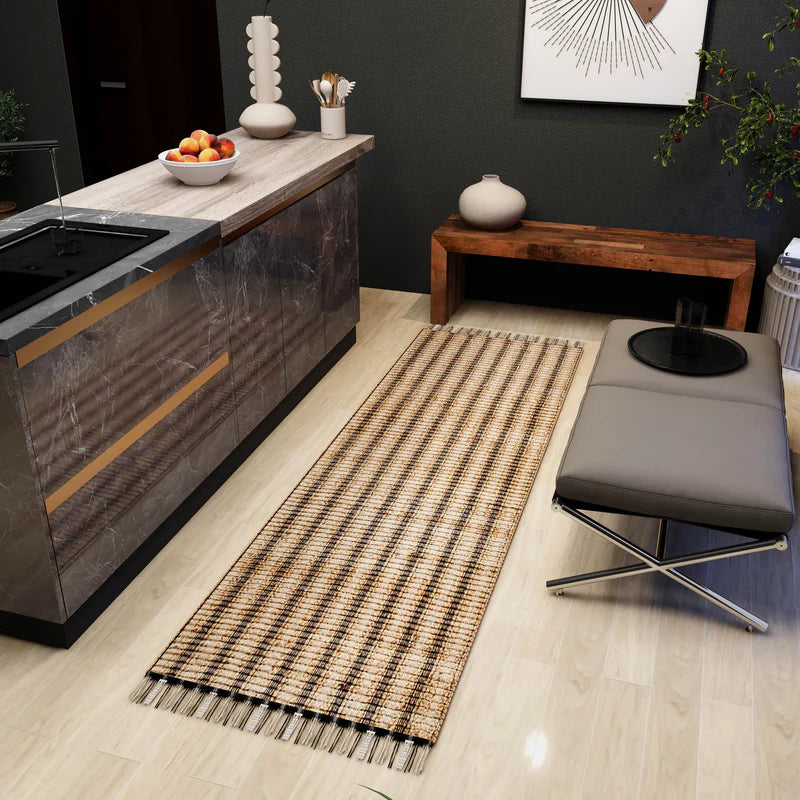
Article: 5 Fun DIY Steps for a Kids Rug

5 Fun DIY Steps for a Kids Rug
What if a simple weekend project could spark your child’s creativity for years to come? Imagine replacing screen time with a hands-on activity that becomes a cherished part of their play space. Many parents struggle to find durable, imaginative solutions for their children’s rooms—until now.

One family discovered how crafting a custom play mat reignited their little ones’ love for storytelling. Instead of buying generic designs, they created a foldable masterpiece featuring roads, landmarks, and inside jokes from family trips. The result? A personalized space where creativity thrives and memories live in every stitch.
This guide reveals how you can design a washable, multi-purpose play area that grows with your family. Whether you prefer painted details or soft textures, you’ll find options matching any skill level. Best of all, it’s more than just decor—it’s a shared experience that strengthens bonds and fuels imagination.
Key Takeaways
- Transform playtime with a custom design that reflects your family’s adventures
- Choose from three creative approaches: road layouts, fabric art, or cozy pom-pom textures
- Create a durable surface that withstands spills and folds easily for storage
- Match colors and themes to your home decor while encouraging imaginative play
- Build lasting memories through a collaborative project everyone enjoys
Gathering Materials and Preparing Your Workspace
Creating a custom play surface begins with smart preparation. The right tools and setup ensure smooth execution while letting creativity flow freely. Let’s explore how to assemble your toolkit and create an efficient work area.

Essential Supplies Checklist
Your project’s success starts with quality materials. Choose a base like canvas-like blackout fabric for road designs or non-slip mats for textured creations. Painting supplies vary by design style:
| Rug Type | Base Material | Key Tools | Extra Elements |
|---|---|---|---|
| Road Design | 72"x55" blackout fabric | ScotchBlue tape, acrylics | Wooden cut-outs |
| Painted Play | Canvas drop cloth | Fabric paint, squeeze bottles | Felt squares |
| Textured Mat | Non-slip rug base | Wool yarn, scissors | Plastic overlays |
Prepping Your Fabric and Tools
Wash and dry fabric first to prevent shrinkage. Iron surfaces flat for crisp lines. Set up in a garage or ventilated space with protective sheets under your workspace. Keep paper sketches nearby to reference your planned layout.
Organize paints and brushes within arm’s reach. Use painter’s tape to mark boundaries before applying colors. This preparation phase saves time and reduces errors during the creative process.
Designing and Sketching Your diy Kids rug
Great designs begin with loose sketches and flexible ideas. Start by laying tracing paper over your base material to experiment freely. This approach lets you test layouts without commitment while keeping the process fun for young helpers.

Blueprint Basics for Play Zones
Road layouts work best when using 14"x10" blocks as building units. Create winding paths that connect key landmarks. Use a washable marker to sketch curves before finalizing with painter's tape.
Color Strategy That Sparks Joy
Choose three base colors that complement your child's room decor. Add pops of bright shades for interactive elements. Test combinations on fabric scraps first—colors often dry darker than expected.
Memory-Making Landmarks
Incorporate places that hold family significance. A miniature version of Grandma's porch or the library storytime corner adds personal meaning. These details encourage storytelling during play.
| Element Type | Popular Choices | Play Value | Color Tips |
|---|---|---|---|
| Natural Features | Ponds, forests | Encourages nature play | Cool blues & greens |
| Community Spaces | Markets, schools | Social skill development | Warm yellows & reds |
| Fantasy Additions | Castles, spaceports | Boosts creativity | Metallic accents |
Leave room for future additions as your children's interests evolve. A blank area near the edge allows easy expansion when they discover new passions.
Step-by-Step Instructions to Bring Your Rug to Life
Unlock the secrets to crisp edges and eye-catching textures that transform flat surfaces into interactive landscapes. Precision meets creativity in these techniques developed through trial and error by crafting enthusiasts.
Applying Paint and Creating Crisp Lines
Start by laying ScotchBlue tape along your planned routes. Mix black and white acrylics until you achieve road-gray perfection—make 20% extra for touch-ups. Roll this base coat smoothly using a mini foam roller.
Peel tape carefully after 45 minutes. Use a fine brush to add dashed white lines once the gray dries. Reapply tape shifted ½ inch for grassy borders before painting green zones. This staggered approach prevents color bleed.
Adding Dimension with 3D Elements and Accessories
Elevate your design with tactile features. Secure felt rooftops using fabric glue. Create movable elements like:
- Cardboard car washes with construction paper doors
- Wooden bridge cutouts stained with coffee grounds
- Clear plastic "windows" over family photo cutouts
| Technique | Tools Needed | Drying Time | Pro Tip |
|---|---|---|---|
| Road Painting | Mini roller, tape | 1 hour | Work outward to avoid smudges |
| Fabric Details | Squeeze bottles | 3 hours | Thin paint with 5% water |
| Protective Coating | Clear spray | 72 hours | Apply in sweeping motions |
Finish with two light coats of acrylic sealer, waiting 20 minutes between applications. Let cure for three days before folding—this ensures colors stay vibrant through countless adventures.
Conclusion
This project isn't just about making a play surface—it's about building family legacy. One parent shared, "Our mat holds fingerprints of love that outlast stained knees." Their creation survived three generations while sparking new adventures each year.
Your finished piece becomes a multi-purpose hub for daily life. Picnic lunches transform into blanket forts, while tea parties bloom over familiar landmarks. Machine-washable fabrics ensure it grows softer with every cleaning cycle.
The real magic lies in what you’ve woven beyond threads. Shared design decisions become inside jokes. Paint smudges turn into memory markers. You’ll gain confidence to tackle future projects that enrich your children’s world.
Long after playtime fades, this handcrafted treasure remains—a tactile reminder of childhood wonder and family bonds forged through creative collaboration.
FAQ
What type of fabric holds up best for play mats?
Canvas or cotton duck cloth works well due to durability and ease of painting. For washable options, consider pre-treated fabrics like Premier Prints’ indoor/outdoor materials.
How do I prevent colors from bleeding on the surface?
Use fabric medium (like Liquitex) mixed with acrylic paint. Apply thin layers and let each dry completely before adding adjacent shades. Painter’s tape also helps create sharp edges.
Can I incorporate removable 3D features?
Yes! Attach Velcro strips to felt shapes, mini traffic cones, or fabric trees. Brands like Scotch offer repositionable adhesives for lightweight add-ons without damaging the base.
What’s the best way to sketch a layout before painting?
Trace your design onto tracing paper first, then transfer it using chalk or water-soluble markers. Crayola’s Washable Markers are ideal for temporary guidelines.
How do I choose colors that engage children?
Opt for high-contrast combinations—think Benjamin Moore’s “Happy Hue” collection. Themes like jungles or space benefit from bold primaries, while calming zones use pastels like Sherwin-Williams’ “Sea Salt.”
Can this project include interactive elements?
Absolutely. Sew pockets for toy storage, add textured patches with faux grass (like Darice’s craft turf), or stitch loops for attaching play figures.
How long does the paint take to dry?
Thin layers dry in 1–2 hours. Thick applications or 3D textures may need 24 hours. Speed up the process with a low-heat hairdryer held 12 inches away.
Are there non-toxic alternatives for younger children?
Use certified-safe options like Tulip Soft Fabric Paint or Crayola’s Fabric Creations line. Always check ASTM D-4236 labels for child-friendly seals.
Can stencils simplify complex designs?
Yes. Reusable mylar stencils from Martha Stewart Crafts help create precise shapes, from geometric patterns to animal silhouettes, without freehand stress.
How do I maintain the rug’s appearance over time?
Spot-clean with mild detergent or machine-wash on gentle cycles if using pre-shrunk fabric. Avoid harsh scrubbing to preserve painted details.

